How to Choose the Best Heating Services for Your Home
@devinupnf163
When your heat goes out in January, you learn very quickly that all heating companies are not the same.
Some answer the phone fast but send a rushed tech who barely looks at the system before quoting a huge repair. Some do decent work, but only after a week-long wait when your house already feels like a garage. Others are solid, honest, and skilled, but they can be hard to spot if you do not know what to ask.
Choosing the right heating services is not just about finding somebody who can get a furnace running again. It is about finding a company that can diagnose problems correctly, explain options without games, and install or repair equipment in a way that actually holds up. A cheap fix that fails in six weeks is not cheap. Neither is an oversized system that runs poorly for the next fifteen years.
If you own a home long enough, you will probably need some mix of Furnace Repair, Furnace Installation, general Heating Services, or even a full HVAC Installation. The trick is knowing how to sort the pros from the sales-heavy outfits and the underqualified bargain operators.
Start with the kind of help you actually need
A lot of homeowners begin the search too broadly. They type “heating services near me” and call the first name with a coupon. That can work, but it often leads to confusion because not every heating company is equally good at every job.
A furnace that will not start on a cold morning is a different situation from replacing a 25-year-old system that still limps along but drives up gas bills. One call is urgent service. The other is a planned equipment decision. The best company for emergency diagnostics is not always the best company for design and replacement work.
If your system is making odd noises, short cycling, blowing cool air, or struggling to keep up, you are likely looking for Furnace Repair. In that case, what matters most is diagnostic skill, parts access, response time, and whether the company trains technicians to fix systems instead of just pushing replacements.
If your furnace is old, cracked, unsafe, or repeatedly failing, you may be looking at Furnace Installation. That requires a different level of attention. Proper sizing, airflow design, venting, duct condition, thermostat compatibility, and startup testing all matter. Installation quality affects comfort and operating cost more than most homeowners realize.
And if the project involves both heating and cooling, maybe because you are upgrading the whole system or remodeling, then HVAC Installation comes into play. That is where the company needs to think beyond the furnace itself and look at the home as a system. Return air, duct leakage, filtration, humidity, and control setup all affect the outcome.
When you know which lane your project is in, it becomes easier to judge whether a company is actually the right fit.
The lowest quote can cost the most
I have seen this play out again and again. A homeowner gets three quotes. One is much cheaper than the rest. It feels smart to take it. Then six months later the new furnace sounds rough, the bedrooms are still cold, and the installer has stopped returning calls.
That does not mean high price always equals high quality. It definitely does not. Some companies charge premium rates mostly because they have large overhead and aggressive advertising. But the cheapest bid deserves extra scrutiny, especially for Furnace Installation or HVAC Installation.
A lower price can come from perfectly reasonable things, like a smaller local company with less overhead. It can also come from skipped steps. Maybe they are not replacing the venting that should be replaced. Maybe they are reusing an old pad, ignoring return-air problems, or installing a system without checking static pressure. Maybe the permit is not included. Maybe labor warranty is minimal. Maybe the furnace is fine, but the installer is rushing jobs and not commissioning the equipment correctly.
Heating equipment is one of those trades where a clean-looking install can still be a bad install. Most problems are hidden in setup, airflow, combustion, control wiring, duct transitions, and drainage. Homeowners rarely see those details, but they live with the consequences.
A good heating company asks questions before giving answers
One of the easiest ways to spot a strong contractor is by how they handle the first conversation.
A solid company usually wants details. What kind of system do you have? How old is it? What symptoms are you seeing? Are there certain rooms that Heating Installation never heat well? Has anyone serviced it recently? Did the issue happen suddenly or gradually? Are you smelling gas, hearing banging, or seeing error codes?
That curiosity is a good sign. It means they are trying to understand the problem, not just funnel you into a standard sale.
For replacement estimates, the questions should go even deeper. They should ask about the square footage, insulation level, ductwork condition, comfort complaints, energy bills, and whether you plan to stay in the home long term. If somebody quotes a full Furnace Installation over the phone in five minutes without seeing the house, that is a red flag. They may be guessing, and guessing is expensive when it comes to sizing and system matching.
I have walked through homes where the old furnace was replaced with the exact same size unit simply because “that is what was there before.” Sometimes that is fine. Sometimes it is completely wrong. Add insulation, new windows, air sealing, or a finished basement, and the heating load can change a lot. The old system may have been oversized from day one.
Licensing, insurance, and permits are not boring details
These are the unglamorous parts of hiring, but they matter.
A company doing Heating Services should be properly licensed where your area requires it, and they should carry liability insurance and workers’ compensation coverage. If somebody gets hurt on your property or damages something during the job, you do not want vague answers about who is responsible.
Permits matter too, especially for major Furnace Installation and HVAC Installation work. In some places homeowners are tempted to skip permits to save money or avoid paperwork. That can backfire when you sell the house, file an insurance claim, or discover later that the venting, gas piping, or electrical work was never inspected.
A permit is not proof of perfection, but it creates accountability. It means the work is supposed to meet code, and that matters with combustion appliances. Heat is comfort, yes, but it is also gas, flame, electricity, venting, and carbon monoxide risk.
Read reviews, but read them like a skeptic
Reviews can be helpful, but only if you read beyond the star rating.
A company with hundreds of glowing reviews might be excellent. They also might be extremely good at review generation. Pay attention to the substance. Are people describing real repairs, respectful techs, clean installs, accurate diagnostics, and good follow-through? Or are most reviews short and generic, the kind that say “great service” and nothing else?
The most useful reviews often mention specifics. Maybe a reviewer says the tech found a failed inducer motor after another company tried to sell a new furnace. Maybe someone describes how the installer fixed airflow issues that had bothered them for years. Details like that are hard to fake at scale.
Also, do not panic over a few negative reviews. Every company that stays busy long enough will have some unhappy customers. What matters is the pattern. Repeated complaints about surprise pricing, sloppy scheduling, unresolved warranty issues, or pressure tactics should get your attention.
What a real estimate should include
A serious estimate should be clear enough that you can compare one company to another without guessing what is missing.
For repair work, that means a written description of the diagnosis, the proposed fix, parts involved, labor cost, and any warranty. If the tech says you need a major repair, ask whether there are other possible causes and how they ruled them out. Good technicians do not mind explaining their process in plain English.
For replacement work, you want more than a model number and a final price. You want to know what equipment is being installed, what efficiency rating it has, what accessories are included, what duct or venting changes are planned, whether a thermostat is included, whether permits are covered, and what labor warranty comes with the job.
This is one place where homeowners often get burned. Two quotes can look close in price, but one includes new venting, a filter cabinet, thermostat setup, haul-away, permit, startup testing, and a ten-year labor warranty, while the other includes only the bare minimum. Those are not equal bids.
Here are a few things worth seeing on paper:
- equipment brand and exact model
- scope of labor and any duct, vent, gas, or electrical changes
- permit status and inspection responsibility
- parts and labor warranty terms
- total project price, payment terms, and timeline
That list alone can save a lot of confusion.
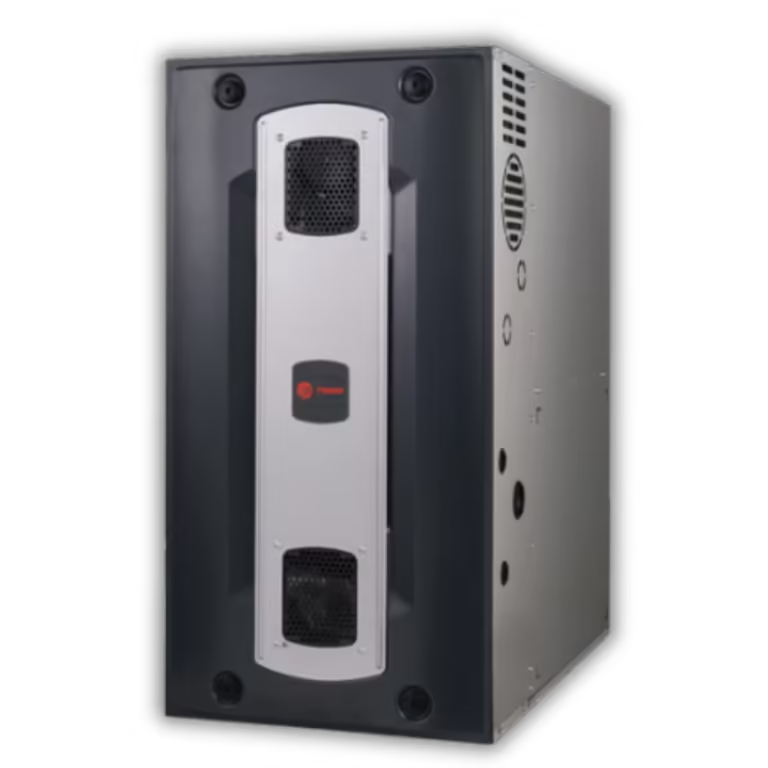
Be careful with companies that jump straight to replacement
Sometimes a replacement is absolutely the right call. A cracked heat exchanger, repeated expensive failures, obsolete parts, severe rust, chronic safety issues, or a system near the end of its life can make repair a poor investment.
But not every broken furnace needs to be replaced.
I have seen homeowners told they needed a whole new system because of a bad igniter, dirty flame sensor, failed capacitor, pressure switch issue, or control board problem. Those repairs can still be costly depending on the part, but they are nowhere near the same as full Furnace Installation.
A good contractor will walk you through the repair-versus-replace decision honestly. They should talk about age, condition, cost, efficiency, safety, and the odds of future failures. If a ten-year-old furnace has one moderate repair and the rest of the system is in decent shape, replacement may not make sense. If a 22-year-old unit has poor combustion, rusted internals, and a repair bill that approaches half the value of the equipment, the picture changes.
The key is whether the recommendation feels evidence-based or scripted.
The house matters as much as the furnace
This is the part many homeowners miss.
You can buy excellent equipment and still end up uncomfortable if the installer ignores airflow and duct design. Heating problems are often blamed on the furnace when the real culprit is poor distribution. One room is freezing, another room is roasting, the system cycles constantly, and somebody says, “You need a bigger unit.” Often you do not. Often you need better air movement.
A thoughtful heating contractor looks at return air, supply sizing, filter restrictions, blower settings, and static pressure. They notice if a basement remodel changed airflow. They ask whether upstairs rooms lag behind. They pay attention to whether the thermostat location is causing bad cycles. They may even bring up insulation and air sealing if those are driving comfort complaints more than the equipment itself.
This is especially important with HVAC Installation. Heating and cooling performance depend on matching equipment to the duct system and the house envelope. If the company never mentions ducts, airflow, or load calculations, that tells you something.
Emergency service is a real differentiator
You do not fully appreciate responsive service until your furnace dies during a cold snap.
If you live somewhere with hard winters, response time should matter in your choice. You may not need 24/7 service every year, but it is worth knowing whether the company offers it. Even if you are shopping for a planned replacement, ask what happens if something goes wrong after hours. Who answers the phone? Do they have on-call technicians? Are parts commonly stocked on trucks?
Fast service alone is not enough, of course. I would rather wait a few extra hours for a competent diagnosis than get a quick but sloppy one. Still, a company that disappears after 5 p.m. May not be the best fit if you rely heavily on your heating system and have kids, elderly family members, or health concerns in the home.
Brand matters some, installer quality matters more
Homeowners often fixate on brand names. That makes sense because brands are visible. Installation quality is not.
The truth is that most major furnace manufacturers make equipment that can perform well when sized and installed correctly. Differences exist, sure. Some brands have stronger local distributor support. Some have better parts availability in certain markets. Some models are quieter or offer better modulation and comfort features. But the best unit in the world can be turned into a headache by poor installation.
If I had to choose between a great installer using a solid mid-tier brand and a weak installer using a premium brand, I would take the better installer almost every time.
That is why it helps to ask about the crew’s process. Do they perform startup testing? Do they check gas pressure? Do they verify temperature rise? Do they inspect venting and drainage? Do they register warranties? Do they test carbon monoxide levels where appropriate? The answers tell you much more than a logo on the front of the furnace.
Ask about maintenance without buying into scare tactics
Routine maintenance has value, especially for safety checks, cleaning, filter management, and catching wear before it becomes a no-heat call. But the way a company talks about maintenance can tell you a lot about their culture.
A trustworthy company explains what maintenance does and what it does not do. It can reduce breakdown risk, improve performance, and extend service life. It cannot magically prevent every failure, and it should not be sold with fear.
If every conversation turns into “your family is in danger unless you sign up today,” step back. Fear sells, but it is not the same as professional guidance.
At the same time, if you are evaluating Heating Services for a long-term relationship, maintenance programs can be worth looking at. Priority scheduling, reduced diagnostic fees, and annual tune-ups can make sense, especially for older equipment or busy households that tend to forget seasonal service.
A few questions that reveal a lot
You do not need to interrogate a contractor like a lawyer. But a handful of direct questions can quickly tell you whether you are dealing with a pro.
- How do you determine whether a system should be repaired or replaced?
- If I replace it, how will you size the new equipment?
- Will you inspect the ductwork and airflow as part of the job?
- What warranties are included on both parts and labor?
- What happens if there is a problem after installation?
Notice that none of those questions are exotic. Any good company should be able to answer them cleanly. If the answers are vague, defensive, or loaded with sales pressure, keep looking.
Pay attention to how they treat your home
The technical side matters most, but the human side matters too.
A heating crew will be in your house, often in tight spaces like basements, attics, or utility closets. Good companies show respect in ways that are easy to notice. They arrive when promised or communicate delays. They wear shoe covers when appropriate. They protect floors. They explain what they are doing. They leave the work area cleaner than they found it. They do not make you chase them for paperwork.
That level of professionalism usually tracks with better work behind the scenes. Not always, but often. Sloppy communication and messy habits can signal sloppy installations.
The best choice is rarely the flashiest one
The heating company with the loudest ads, the biggest discount, or the slickest sales folder is not automatically the wrong one. But those things do not prove competence either.
The best Heating Services for your home usually come from a company that combines technical depth with plainspoken honesty. They diagnose before they prescribe. They give written details. They talk through trade-offs. They respect your budget without pretending every cheaper option is wise. They stand behind their work. And they think about the house, not just the equipment.
If you remember nothing else, remember this: you are not just buying a furnace repair or an installation day. You are buying judgment. You are buying the ability to call somebody when the system acts up on the coldest night of the year and feel reasonably confident they know what they are doing.
That confidence is worth a lot.
Take an extra day when you can. Ask the awkward questions. Compare what is actually included. Look for clear explanations instead of polished scripts. Whether you need a small Furnace Repair now or a full HVAC Installation later, the right company tends to make itself known in the details.